Cracked Concrete Patio Repair: A Comprehensive Guide
Cracked concrete patio repair sets the stage for this comprehensive guide, offering readers a detailed look into the process of restoring damaged outdoor spaces. From understanding the causes of cracks to exploring repair methods and preventative maintenance, this topic delves deep into the world of concrete patio restoration.
Understanding Cracked Concrete Patio Repair

When it comes to cracked concrete patio repair, it is essential to understand the common causes of these cracks, the different types of cracks that can occur, and the importance of timely repair to prevent further damage.
Common Causes of Cracks in Concrete Patios
Cracks in concrete patios can be caused by various factors, including:
- Poor installation techniques
- Freeze-thaw cycles
- Settling of the ground beneath the patio
- Heavy loads or impact damage
Different Types of Cracks in Concrete Patios
There are several types of cracks that can appear in concrete patios, such as:
- Shrinkage cracks - caused by the natural drying process of concrete
- Settlement cracks - occur when the ground beneath the patio shifts or settles
- Cracks due to heavy loads or impact damage
- Structural cracks - indicating a more serious underlying issue
Importance of Timely Repair for Cracked Concrete Patios
Timely repair of cracked concrete patios is crucial to prevent further damage and deterioration. Ignoring cracks can lead to water seepage, erosion, and structural issues that may be more costly to fix in the long run. By addressing cracks promptly, you can extend the lifespan of your patio and maintain its structural integrity.
Inspection and Assessment
When it comes to cracked concrete patio repair, the first step is to inspect and assess the extent of the damage to determine the best course of action.To begin the inspection process, you will need the following tools and equipment:
- Safety gloves and goggles
- Tape measure
- Chalk or marking tool
- Hammer
- Screwdriver
- Water hose or spray bottle
- Flashlight
Inspecting the Cracks
Inspect the cracks in the concrete patio carefully, noting the size, depth, and location of each crack. Use a tape measure to measure the length and width of the cracks, and mark them with chalk or a marking tool for better visibility.
Determining the Severity
To determine if repair or replacement is necessary, consider the following factors:
Size of the cracks
Small hairline cracks can usually be repaired, while larger cracks may indicate more serious structural issues.
Depth of the cracks
Deeper cracks may require more extensive repairs to ensure the patio's stability.
Location of the cracks
Cracks near the edges or corners of the patio may be more problematic and require professional assessment.Remember to take safety precautions and consult a professional if you are unsure about the extent of the damage or the best course of action for repairing your cracked concrete patio.
Preparation for Repair
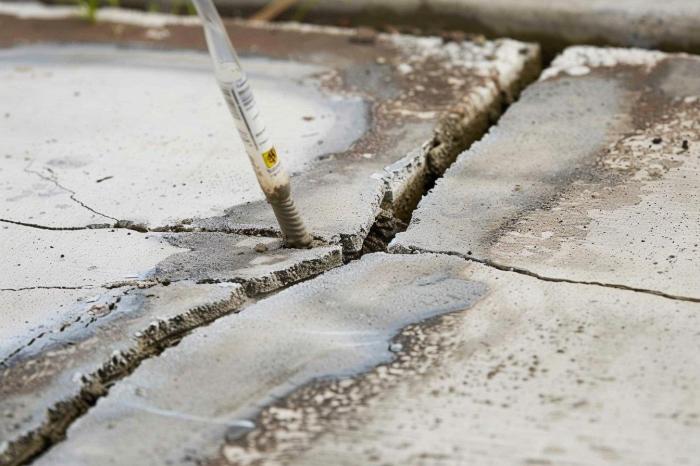
Before starting the repair process for a cracked concrete patio, it is crucial to properly prepare the surface to ensure a successful and long-lasting outcome. This involves cleaning and clearing the area, as well as creating a stable base for the repair materials to adhere to.
Cleaning and Clearing the Area
To begin, remove any debris, dirt, and loose particles from the cracked concrete surface. Use a broom, brush, or pressure washer to clean the area thoroughly. It is essential to have a clean and smooth surface before applying any repair materials to ensure proper adhesion and bonding.
Ensuring a Stable Base
After cleaning the area, assess the stability of the base beneath the cracked concrete. Make sure there are no underlying issues such as soil erosion or settlement that could cause future cracking. If necessary, compact the soil and add a layer of gravel or sand to create a stable base for the repair materials.
Repair Material Adherence
Before applying any repair materials, make sure the surface is dry and free of moisture. Moisture can prevent the repair materials from bonding correctly to the concrete, leading to a failed repair. Additionally, consider using a bonding agent or primer to enhance the adhesion of the repair materials to the concrete surface.
Summary
Proper preparation is essential for the success of cracked concrete patio repair. By cleaning and clearing the area, ensuring a stable base, and promoting material adherence, you can achieve a durable and effective repair that will restore the appearance and functionality of your patio.
Repair Methods and Materials

When it comes to repairing cracked concrete patios, there are several methods and materials that can be used to effectively fix the damage and restore the patio's functionality and appearance.
Repair Methods
- Resurfacing: This method involves applying a thin layer of concrete or a specialized resurfacing product over the existing patio surface to cover up cracks and create a new, smooth finish.
- Patching: Patching is a common method where a patching compound or concrete mix is used to fill in and repair smaller cracks and surface imperfections.
- Filling cracks: For hairline cracks or smaller cracks, a concrete crack filler or sealant can be used to fill the gaps and prevent further damage.
Materials Required
- Concrete mix or resurfacing product
- Patching compound
- Concrete crack filler or sealant
- Concrete bonding adhesive
- Trowel or putty knife for application
- Protective gear such as gloves and safety glasses
Applying Repair Materials
Before applying any repair materials, it is essential to clean the cracked area thoroughly and remove any debris or loose concrete particles. Once the surface is clean and dry, follow these steps:
- Apply a concrete bonding adhesive to the cracked area to ensure proper adhesion of the repair material.
- For resurfacing, follow the manufacturer's instructions for mixing and applying the product over the patio surface.
- If patching, use a trowel or putty knife to fill in the cracks with the patching compound, ensuring a smooth and level finish.
- For crack filling, carefully apply the filler or sealant to the cracks, smoothing it out with a putty knife for a seamless repair.
- Allow the repair materials to dry and cure according to the product instructions before using the patio again.
Finishing and Sealing

After repairing a cracked concrete patio, it is crucial to focus on finishing and sealing to ensure a durable and visually appealing surface. Proper finishing techniques and sealing help protect the repaired area from future damage and enhance its longevity.
Finishing Techniques
- Smooth out the repaired area using a trowel or float to create an even surface.
- Blend the repair with the surrounding concrete to achieve a seamless look.
- Consider applying a concrete overlay to further enhance the appearance and durability of the patio.
Importance of Sealing
Sealing the repaired area is essential to prevent moisture penetration, freeze-thaw damage, and staining. A quality sealer acts as a barrier against these elements, extending the life of the patio and reducing the need for frequent repairs.
Choosing the Right Sealer
- Opt for a penetrating sealer for cracked concrete patios, as it penetrates the surface to provide long-lasting protection.
- Consider the level of gloss desired - from matte to high-gloss sealers, choose one that complements the patio's aesthetics.
- Check the sealer's compatibility with the existing concrete and the repair materials used to ensure proper adhesion and effectiveness.
- Look for a sealer with UV protection to prevent color fading and maintain the patio's appearance over time.
Preventative Maintenance

Regular maintenance is essential to prevent future cracks in your concrete patio and protect the repair work you have done. By following some simple guidelines and seasonal routines, you can extend the lifespan of your patio and keep it looking great for years to come.
Guidelines for Maintaining a Concrete Patio
- Regularly clean the patio surface to remove dirt, debris, and stains. Use a gentle cleanser and avoid harsh chemicals that can damage the concrete.
- Inspect the patio for any signs of wear or damage, such as cracks or uneven areas, and address them promptly before they worsen.
- Apply a concrete sealer every few years to protect the surface from moisture, UV rays, and other elements that can cause damage.
- Avoid using sharp objects or heavy equipment on the patio surface, as they can cause scratches and cracks.
Seasonal Maintenance Routines
- Before winter, clean the patio thoroughly and remove any furniture or decorations to prevent moisture buildup and potential damage from freezing temperatures.
- In the spring, inspect the patio for any damage caused by winter weather and make any necessary repairs or touch-ups.
- In the summer, regularly water the patio to prevent it from drying out and cracking due to extreme heat.
- In the fall, clear away leaves and debris that can accumulate on the patio surface and cause staining or damage over time.
Tips for Extending the Lifespan of a Repaired Concrete Patio
- Avoid placing heavy objects or furniture directly on the repaired areas to prevent new cracks from forming.
- Regularly inspect the patio for any signs of wear or damage and address them promptly to prevent further issues.
- Consider adding a protective cover or awning to shield the patio from harsh weather conditions and prolong its lifespan.
- Follow the manufacturer's recommendations for cleaning and maintenance to ensure the longevity of the repair work.
Final Review

In conclusion, tackling cracked concrete patio repair involves a combination of inspection, preparation, repair methods, finishing, and preventative maintenance. By following the steps Artikeld in this guide, you can ensure a durable and aesthetically pleasing patio for years to come.
FAQ Overview
What are the common causes of cracks in concrete patios?
Common causes include freeze-thaw cycles, heavy loads, and improper installation.
How can I determine if repair or replacement is necessary for my cracked concrete patio?
Inspect the extent of damage and consider factors like safety and aesthetics to make the decision.
What materials are required for repairing cracked concrete patios?
Materials may include concrete mix, bonding agent, trowel, and sealant.
Why is it important to seal the repaired area of a cracked concrete patio?
Sealing prevents water penetration and helps maintain the integrity of the repair.
How can I maintain a concrete patio to prevent future cracks?
Regular cleaning, sealing, and avoiding heavy impacts can help prevent future cracks.